

WHY CHOOSE BREEDEN LAW OFFICE:
25
+Years of Experience
4
+Office Locations
20
+Attorneys and Staff Members
1,000
+Clients Served
300
+5-Star Reviews
North Carolina’s Adoption Statutes
North Carolina law governs the legal requirements and overall framework for adoption, while county court rules set out the specific procedures that must be followed. Together, these laws create a detailed process designed to protect the child, the biological parents, and the adoptive family.
Adoption law includes technical terminology and strict requirements that can feel overwhelming, especially given how personal adoption decisions are. While the statutes may seem intrusive at times, they exist to ensure stability and legal certainty for everyone involved.
Working with a Raleigh-area family lawyer can ease much of this uncertainty. Adoption attorneys understand how North Carolina’s laws apply to different adoption scenarios and can guide you through each step of the process. Breeden Law Office assists adoptive families throughout Raleigh and Wake County from offices in Cary, Wake Forest, and Garner.
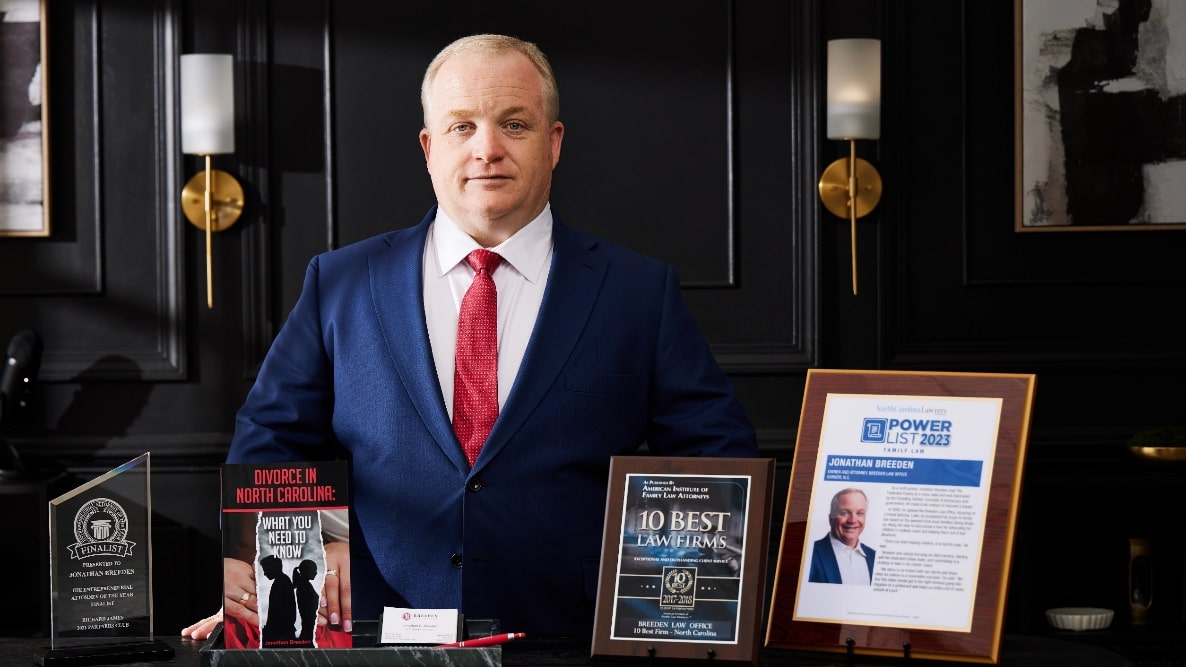
Answering Questions About Adoption
The adoption process is complex, but the Breeden Law Office is here to answer your questions and guide you through the process.
Watch Video
Eligibility Requirements for Adoption
In most cases, any individual who is at least 18 years old is eligible to adopt under North Carolina law. There are, however, some important limitations:
- Spouses may not adopt each other
- An unmarried individual may adopt, but two unmarried individuals may not jointly adopt
North Carolina law places no general restrictions on who may be adopted. However, consent requirements, discussed below, may affect whether an adoption can proceed.
Consent in Adoption
Consent is a critical component of the adoption process. In most cases:
- The biological mother must consent to the adoption
- A child who is 12 years of age or older must also provide consent
Consent from the biological father depends on the circumstances. Consent may be required if the man:
- Is or was married to the biological mother
- Attempted to marry the mother before the child’s birth
- Signed an Acknowledgment of Paternity
- Established parentage through a court proceeding
- Has other legally recognized ties to the child
When a married individual seeks to adopt alone, the non-adopting spouse must generally consent to the adoption.
If you have questions about consent or eligibility requirements, a Raleigh adoption lawyer can help you determine what applies to your situation.
Finalizing Adoption
Once the adoption process is complete and the court enters the final order, you become the child’s legal parent. This includes both legal and physical custody, as well as:
- The responsibility to provide for the child’s care, well-being, and financial needs
- The authority to make decisions regarding education, healthcare, and other major aspects of the child’s life
What You Need to Know About Adoption in North Carolina
North Carolina law addresses a wide range of adoption situations. Having an experienced Raleigh adoption attorney is essential to navigating these rules correctly. Attorney Jonathan Breeden assists adoptive families by preparing required documents, ensuring compliance with statutory requirements, and representing clients at court hearings.
Understanding the different types of adoption can also help you plan effectively.
Open or Closed Adoption
Some families prefer to maintain privacy, while others value ongoing communication. A closed adoption keeps identifying information about the biological parents confidential, with records generally accessible only for medical reasons. In an open adoption, adoptive parents, biological parents, and sometimes the child maintain communication.
Open adoptions are common in family-based adoptions, such as stepparent or relative adoptions.
Using An Adoption Agency
Adoptive parents may choose to work with an adoption agency. There are two primary types:
- Private agencies typically charge higher fees but may offer more personalized services. Some specialize in infant adoptions or pre-birth placements and may impose additional requirements, including religious criteria.
- Public agencies are state-licensed and publicly funded. They serve children of many ages and backgrounds but may have limited resources for individualized counseling or support.
Independent Adoptions
Independent adoption may be an option when you already have a relationship with the child, such as in stepparent or relative adoptions. While agencies are not involved, independent adoptions are still subject to the same legal standards and statutory requirements.
Mistakes at any stage of the adoption process can cause delays or jeopardize the adoption entirely. Working with a Raleigh adoption lawyer helps ensure compliance and reduces the risk of complications. An attorney can assist with:
- Determining required consent
- Relative adoptions
- Stepparent adoptions
- Adoption by same-sex couples
- Termination of biological parents’ rights
Related Adoption Topics
Because there are so many types of adoption situations, there are many times when you’d benefit from legal advice.
North Carolina Adoption ProcessEvery adoption is unique, depending on the child, the adoptive parents, and whether an agency is involved. Still, there are several core steps that apply to most adoptions.
Before filing an adoption petition, you must gather and prepare required documentation, which may include:
- A pre-placement assessment
- All required consent forms
- An affidavit from the biological mother identifying the biological father
- A sworn statement of adoption-related costs, if an agency is used
- Disclosures regarding any missing or refused consent
Once this groundwork is complete, you file the adoption petition, supporting documents, and filing fees with the appropriate county court. This may be in Wake County or another county with proper jurisdiction based on residency or agency location.
Additional required filings may include:
- A certified copy of background information on the child
- A list of individuals entitled to notice of the proceedings
- Any additional documentation required by state or federal law
After filing, the court will provide an initial opinion on whether you have completed all the required documents in Wake County. This could take 6 to 9 months. The entire adoption process can take one to two years to complete. Once all requirements are met, an adoption hearing will take place. This brief hearing will focus on finalizing the adoption. However, if someone with legal standing contests the adoption, more extensive, trial-like proceedings may be necessary.Now that you know there are many types of adoptions and unique situations, it makes sense that the adoption proceedings can vary. But underneath the layer of differences is one general process.
Discuss Your Situation with a Raleigh Adoption Lawyer
Adoption is an exciting and emotional journey, but legal obstacles can quickly become overwhelming without proper guidance. Working with an experienced North Carolina family lawyer allows you to focus on welcoming a child into your family while your attorney handles the legal details.
While adoption agencies play an important role, a Raleigh adoption lawyer ensures that all legal requirements are met and that your rights are protected throughout the process.
CALL A RALEIGH ADOPTION LAWYER TODAY:
(919) 373-2079Hear from Our Clients
Breeden Law offered exceptional service. I felt extremely comfortable talking with Jonathan and the office staff was pleasant and organized.

Mr. Breeden was very professional. He gave me honest input regarding possible outcomes of my case. He was very responsive when I had a question and when responding to emails. He knows custody law very well and got me exactly what I wanted with regards to my case. I would definitely use him again if needed.
A custody battle is never easy; even harder when you are a grandparent seeking custody. Jonathan Breeden handled our case with great diligence, but oh so delicately. I received full, permanent custody, with no harsh feelings from any parties concerned. Together with Jonathan, there was even suitable visitation arrangements made.