

WHY CHOOSE BREEDEN LAW OFFICE:
25
+Years of Experience
4
+Office Locations
20
+Attorneys and Staff Members
1,000
+Clients Served
300
+5-Star Reviews
Wake Forest Domestic Violence Attorney
Individuals experiencing abuse often feel trapped, anxious, or unsure of where to turn. North Carolina’s domestic violence laws are designed to protect victims, giving you legal avenues to escape dangerous situations and seek justice.
Options may include protective orders, criminal charges, or addressing domestic violence in child custody matters. At the same time, people accused of domestic violence may feel overwhelmed by the legal process and the potential consequences.
Whether you are pursuing protection or defending against allegations, having a knowledgeable Wake Forest domestic violence lawyer is essential. Breeden Family Law Office represents clients throughout Wake Forest, Wake, and Franklin Counties, with offices in Cary, Garner, and Wake Forest. We are committed to guiding you through every step of a domestic violence case and using every available legal tool to protect your rights.
Attorney Jonathan Breeden represents both victims and individuals facing accusations, offering guidance on protective orders, court proceedings, and related family law matters.
How Domestic Violence Impacts Families
Domestic violence affects individuals across all ages, genders, and backgrounds. Under North Carolina law, acts are classified as domestic violence only when a qualifying personal relationship exists.
A Wake Forest domestic violence attorney can clarify how these relationships may be defined, including:
- Married or previously married couples
- Individuals who live or have lived together
- Parents, children, grandparents, or other guardians
- People acting as a parent to a minor child
- Individuals who share a child
- Those in a dating relationship
Domestic violence can emerge in emotionally charged situations such as divorce or custody disputes. Sometimes behavior escalates to physical abuse, while other times accusations may be exaggerated or false, often in an attempt to gain leverage in court. Regardless, allegations of domestic violence can carry lasting consequences for everyone involved.
Domestic Violence in Wake County, North Carolina
North Carolina law provides strong protections for victims of domestic violence under NCGS § 50B. These laws are designed to prevent further harm, provide immediate relief, and create pathways for long-term safety.
Understanding what qualifies as abuse is a crucial first step for anyone seeking protection. Working with a Wake Forest domestic violence attorney can help you navigate the legal process and take swift action to safeguard yourself and your family.
Acts That May Constitute Domestic Violence
Abusive behavior can take many forms, including:
- Physical harm – intentionally causing bodily injury.
- Threats or attempts – actions that create fear of serious harm.
- Sexual abuse – sexual assault, rape, or sexual battery.
- Harassment – repeated conduct that instills fear of violence.
Domestic violence does not always involve physical injury. Emotional, psychological, or sexual abuse can also be recognized under North Carolina law, and an attorney can help determine whether these behaviors meet legal criteria.
Common Warning Signs
Many victims fail to recognize abuse, especially when it develops gradually. Common warning signs include:
- Intimidation, manipulation, or controlling behavior
- Sexual coercion or threats
- Extreme jealousy or possessiveness
- Verbal abuse, repeated insults, or degradation
- Blaming the victim or claiming abuse is deserved
Early recognition of these patterns is critical. A Wake Forest domestic violence lawyer can assist with documenting incidents, evaluating your options, and taking immediate steps to ensure your safety.
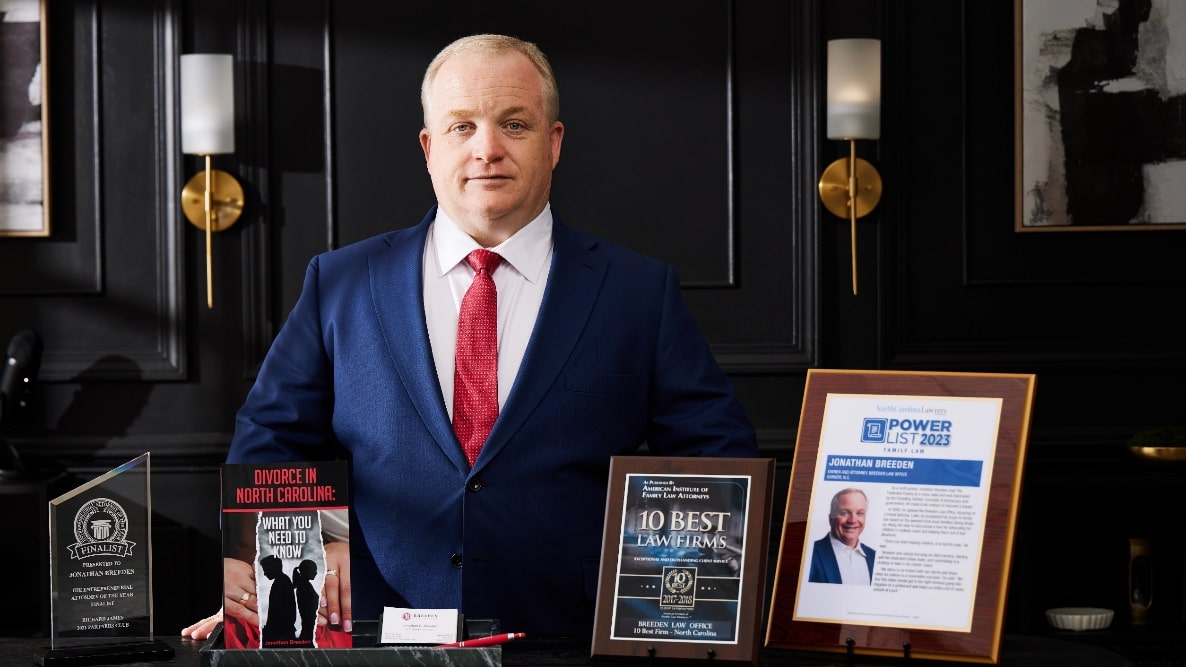
Surviving Domestic Violence in NC
If you’ve suffered domestic violence or abuse in North Carolina, you have rights to protect you and your family. Our Wake Forest domestic violence lawyers can help you.
Watch Video
Legal Protections for Domestic Violence Victims
North Carolina law provides several remedies for individuals experiencing domestic violence. These protections are designed to offer immediate safety, prevent further harm, and create legal avenues for long-term security.
A Wake Forest domestic violence attorney can help you understand your options and guide you through court proceedings.
Emergency Ex-Parte Orders
Ex parte orders are temporary; emergency protective orders are issued without notifying the accused in advance. They are intended for situations where immediate danger exists and can include:
- Prohibiting the abuser from contacting you
- Requiring the abuser to leave the home
- Restricting other actions to ensure your safety
A Wake Forest attorney can help prepare the paperwork, document incidents, and advise you on how to present evidence to the court for the ex parte hearing.
50B Domestic Violence Protective Orders (DVPO)
A 50B DVPO offers longer-term protection and requires a formal court hearing where both parties can present evidence. These orders can:
- Restrict contact or communication
- Set conditions for child custody or visitation if applicable
- Establish long-term safety measures tailored to your situation
A Wake Forest domestic violence lawyer can assist in preparing for the hearing, gathering evidence, and providing courtroom support. Skilled legal guidance ensures the protective order is enforceable and effectively shields you from further abuse.
How to Obtain a Protective Order in Wake County
If you are facing domestic violence in Wake Forest, you have the right to seek protection through a Domestic Violence Protective Order (DVPO). Understanding the process, having resources, and utilizing legal guidance can make it less stressful and ensure your safety is prioritized.
Step 1: Filing the Paperwork
The process begins by completing the required DVPO forms and filing them with the Wake County Clerk of Court. Your attorney can help ensure that all forms are accurate and clearly describe the incidents and any immediate threats. Proper documentation is essential to maximize the chances that the court issues a protective order quickly.
Step 2: Ex Parte Hearing
After filing, the judge may hold an “ex parte” hearing, which takes place without the accused present. This emergency proceeding allows the court to quickly evaluate whether immediate protection is necessary. If sufficient evidence exists, the judge issues a temporary protective order, which can include:
- Prohibiting the accused from contacting you
- Requiring the accused to leave the home
- Restricting certain actions to ensure your safety
Step 3: Service of the Order
Once the ex parte order is issued, the Wake County Sheriff serves the accused with the complaint and protective order. The service ensures the respondent is officially notified and understands the court-imposed restrictions.
Step 4: Formal Hearing
At the formal hearing, both parties can present evidence, call witnesses, and explain their side of the story. The judge reviews all information and may extend the DVPO for up to one year if ongoing protection is necessary. In some cases, extensions or renewals may be possible.
Step 5: Legal Guidance Throughout the Process
A Wake Forest domestic violence attorney can guide you at every step—preparing documents, advising on safety measures, attending hearings, and advocating for your rights. Experienced legal support ensures the process is handled efficiently and increases the likelihood that your protective order fully safeguards you and your family.
Related Domestic Violence Topics
Common Questions About Domestic Violence in Wake Forest
What counts as domestic violence in Wake Forest, NC?
Domestic violence occurs when someone in a qualifying relationship commits abuse, which can include physical harm, threats, sexual assault, or harassment that causes fear. Qualifying relationships include spouses, cohabitants, parents and children, or dating partners.
How do I get a protective order in Wake Forest?
You begin by filing DVPO paperwork with the Wake County Clerk of Court. The judge may issue a temporary ex-parte order, followed by a full hearing where both parties can present evidence.
Can someone file a DVPO against me if I’m innocent?
Yes, false or exaggerated claims can happen. A Wake Forest domestic violence attorney can defend your rights and ensure you have proper representation in court.
How long does a protective order last?
Temporary ex-parte orders are short-term, while full 50B DVPOs can last up to one year and may be extended if necessary.
Do I need a lawyer for a domestic violence case?
While a lawyer isn’t required, having a Wake Forest domestic violence attorney protects your rights, ensures safety, and helps you navigate court procedures effectively.
Comprehensive Legal Help for Domestic Violence Victims
Domestic violence cases have serious legal and personal implications, but you do not have to face them alone. Breeden Family Law Office assists clients in Wake Forest and Wake County with:
- Securing emergency ex-parte protective orders
- Obtaining long-term 50B DVPOs
- Addressing domestic violence issues in child custody or visitation matters
- Defending individuals against false or contested allegations
- Guidance through court hearings, documentation, and communication with the other party
Attorney Jonathan Breeden provides dedicated advocacy both inside and outside the courtroom. Our team works to minimize stress, protect your safety, and guide you through every stage of a domestic violence case.
CALL BREEDEN LAW OFFICE TODAY:
919-823-6202Hear from Our Clients
Breeden Law offered exceptional service. I felt extremely comfortable talking with Jonathan and the office staff was pleasant and organized.

Mr. Breeden was very professional. He gave me honest input regarding possible outcomes of my case. He was very responsive when I had a question and when responding to emails. He knows custody law very well and got me exactly what I wanted with regards to my case. I would definitely use him again if needed.
A custody battle is never easy; even harder when you are a grandparent seeking custody. Jonathan Breeden handled our case with great diligence, but oh so delicately. I received full, permanent custody, with no harsh feelings from any parties concerned. Together with Jonathan, there was even suitable visitation arrangements made.