

WHY CHOOSE BREEDEN LAW OFFICE:
25
+Years of Experience
4
+Office Locations
20
+Attorneys and Staff Members
1,000
+Clients Served
300
+5-Star Reviews
Adoption Laws in North Carolina
Adoptions in North Carolina are governed by state statutes that outline who may adopt, who may be adopted, and the steps required to finalize the adoption. In addition to statewide laws, local court procedures—such as those in Wake or Franklin County—also play a role in how adoption cases are handled.
These legal requirements are designed to safeguard the child’s welfare and ensure that adoptions are stable, permanent, and legally secure. However, the technical language and strict timelines involved can be difficult to manage without legal guidance.
Breeden Family Law Office assists adoptive families in Wake Forest and throughout Wake County, helping clients understand how adoption laws apply to their specific situation and ensuring compliance at every stage of the process.
Who Is Eligible to Adopt in North Carolina?
North Carolina adoption law is designed to allow a wide range of individuals to provide permanent, stable homes for children. While the process is accessible, eligibility rules vary based on marital status, the type of adoption, and the relationship between the adoptive parent and the child. In general, North Carolina permits:
- Adults age 18 or older to petition the court to adopt a child, regardless of age difference, provided they can meet the child’s needs.
- Married individuals may adopt jointly as a couple or individually, depending on the circumstances of the adoption.
- Unmarried individuals to adopt on their own, including relatives, foster parents, or unrelated adults.
However, certain limitations apply. Two unmarried individuals generally cannot adopt jointly, and spouses are not permitted to adopt one another. Additionally, while there are few legal restrictions on who may be adopted, issues involving parental rights, required consents, or prior custody arrangements can affect whether an adoption may proceed.
Because eligibility can depend on the specific facts of your situation, a Wake Forest adoption attorney can evaluate your circumstances, explain your options, and help ensure that your adoption petition complies with North Carolina law.
Consent Requirements in Adoption Cases
Consent is a foundational requirement in nearly every adoption case. Without the proper consents—or a valid legal exception—the court cannot finalize the adoption, regardless of the child’s best interests. Determining who requires consent is often one of the most complex aspects of the process.
Consent may be required from:
- The biological mother, whose consent is almost always necessary unless her parental rights have already been terminated.
- The child, if the child is age 12 or older, as North Carolina law generally requires older children to agree to the adoption.
- The biological father, depending on whether he has established legal parentage or taken steps to assert his parental rights.
A biological father’s consent may be required if he was married to the mother, acknowledged paternity, is listed on the birth certificate, has provided support, or otherwise demonstrated a commitment to the child. In stepparent or married-individual adoptions, the non-adopting spouse typically must also provide written consent.
When a required party refuses consent, the court may still allow the adoption to proceed in limited circumstances, such as abandonment, failure to provide support, or prior termination of parental rights. A Wake Forest adoption lawyer can help determine which consents are legally required, address disputes, and guide you through any challenges that arise during the process.
Finalizing an Adoption in Wake Forest
Finalizing an adoption is the final legal step that permanently establishes the adoptive parent-child relationship. Once all statutory requirements are satisfied and the court issues a final adoption decree, the adoptive parent or parents assume the same rights and responsibilities as a biological parent under North Carolina law.
After finalization, adoptive parents gain:
- Full legal and physical custody of the child, with the authority to provide a permanent home and stable environment.
- Responsibility for the child’s care, support, and financial needs, including housing, healthcare, education, and daily expenses.
- Decision-making authority over matters involving education, medical treatment, religious upbringing, and general welfare.
At the same time, the biological parents’ legal rights and obligations are permanently terminated unless the adoption involves a stepparent or another limited exception recognized by law. Finalization also allows the child’s birth certificate to be amended to reflect the adoptive parent(s), providing legal clarity and long-term security for the entire family.
Because adoption finalization carries lifelong legal consequences, it is essential to ensure that all paperwork, consents, background checks, and court procedures are completed properly. A Wake Forest adoption attorney can guide you through the final hearing and help ensure the adoption is completed without delays or legal complications..
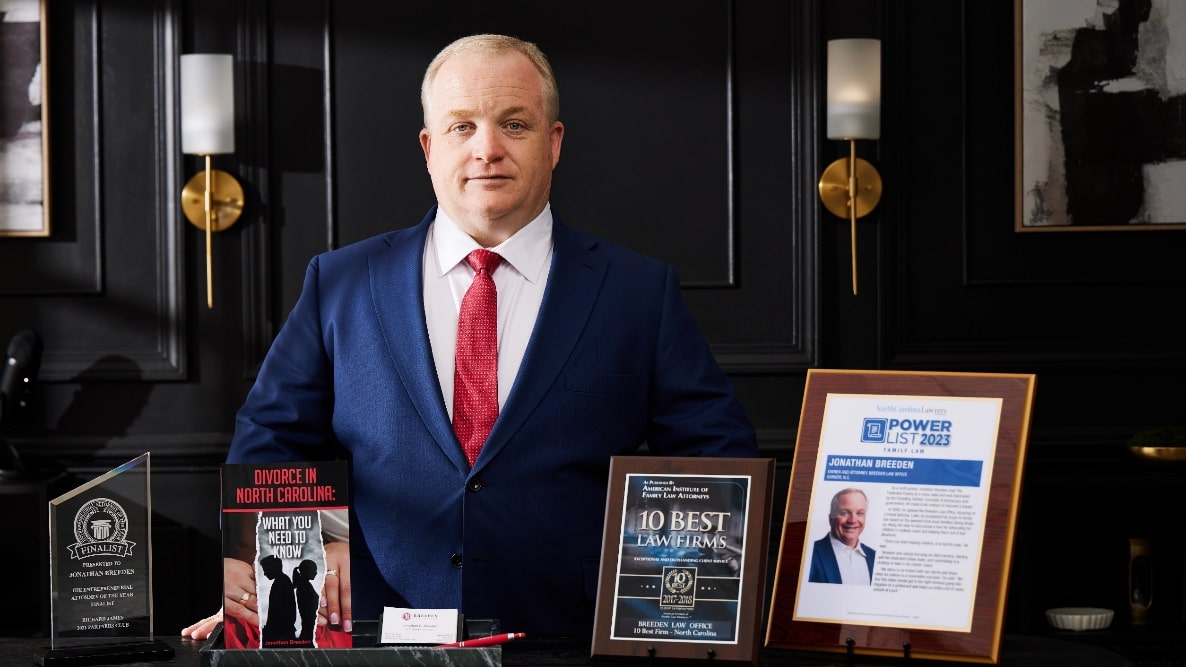
Answering Questions About Adoption
The adoption process is complex, but the Breeden Law Office is here to answer your questions and guide you through the process.
Watch Video
Types of Adoption in North Carolina
North Carolina adoption law recognizes multiple adoption pathways to accommodate different family structures and circumstances. Understanding the available options can help prospective parents choose the approach that best fits their needs and goals.
Open and Closed Adoptions
Adoptions may be classified as either open or closed, depending on the level of contact and information shared between the adoptive and biological families.
Closed Adoption
- Information identifying biological parents is sealed.
- Adoption records are typically inaccessible without a court order.
- Little to no ongoing communication occurs, offering privacy and finality for all parties.
Open Adoption
- Allows ongoing contact between adoptive and biological families.
- May include sharing photos, letters, updates, or occasional visits.
- The level of openness varies based on mutual agreement and can evolve over time.
- Common in stepparent, relative, and other family-based adoptions where relationships already exist.
Open adoption agreements can support transparency and emotional stability, but they must be structured carefully to protect the child’s best interests. A Wake Forest adoption attorney can help clarify expectations, draft enforceable terms, and explain how North Carolina law governs post-adoption contact.
Agency Adoptions
Some families choose to work with a licensed adoption agency to facilitate the adoption process. Agencies may be either private or public, and each option offers distinct benefits.
- Private adoption agencies often provide individualized support, counseling services, and assistance matching adoptive parents with children. These adoptions may move more quickly but often involve higher fees and additional screening requirements.
- Public adoption agencies, including those associated with the foster care system, focus on placing children who cannot safely return to their biological families. These adoptions typically involve lower costs and may include financial assistance, though timelines and placement options may be more limited.
Regardless of the agency involved, all adoptions must meet North Carolina’s legal standards and receive court approval before becoming final.
Independent and Family Adoptions
Independent adoptions occur without agency involvement and are commonly used in stepparent, grandparent, or other relative adoptions. While these cases may feel more straightforward, they still require strict compliance with statutory requirements, including background checks, consents, home studies in certain cases, and court hearings.
Family-based adoptions often involve sensitive issues such as parental rights termination or contested consent. Even small procedural errors can delay finalization or place the adoption at risk.
Working with a Wake Forest adoption attorney helps ensure that every legal requirement is properly addressed, deadlines are met, and potential obstacles are resolved efficiently, allowing your family to move forward with confidence and peace of mind.
The Adoption Process in Wake County
Although every adoption involves unique family circumstances, North Carolina law establishes a structured legal process designed to protect the child and ensure a stable, permanent placement. Following this framework carefully is essential to avoiding delays or legal challenges.
Before an adoption petition can be filed, several required documents must be gathered and prepared. Depending on the type of adoption, these materials may include:
- A pre-placement assessment or home study, which evaluates the prospective adoptive parent’s living situation, background, and ability to provide a safe and supportive environment.
- All required consent forms, signed by the biological parent(s), the child if age 12 or older, and any other parties whose consent is legally required.
- Affidavits identifying biological parentage, including sworn statements from the biological mother regarding the identity and legal status of the biological father.
- Disclosures of adoption-related expenses, which ensure transparency and compliance with North Carolina law regarding allowable fees and payments.
- Statements addressing missing, refused, or contested consent, explaining efforts to obtain consent or the legal basis for proceeding without it.
Filing the Adoption Petition
Once these materials are complete, the adoption petition and all supporting documents are filed with the appropriate Wake County court or another court with proper jurisdiction. The court reviews the filings to confirm that statutory requirements have been met and may request additional documentation if necessary. This initial review period can take several months, depending on court schedules and the complexity of the case.
Final Hearings and Contested Cases
Uncontested adoptions typically proceed to a final hearing once the court is satisfied that all legal requirements have been fulfilled. This hearing is usually brief and focuses on finalizing the adoption. However, if the adoption is contested—such as when consent is disputed or parental rights must be terminated—the process may involve additional hearings, evidence, and legal argument, significantly extending the timeline.
Legal Guidance Matters
A Wake Forest adoption lawyer plays a critical role throughout this process by preparing and filing documents, tracking deadlines, addressing court inquiries, and advocating for your interests at every stage. With experienced legal guidance, adoptive families can navigate the process with greater confidence and focus on welcoming a child into their home.
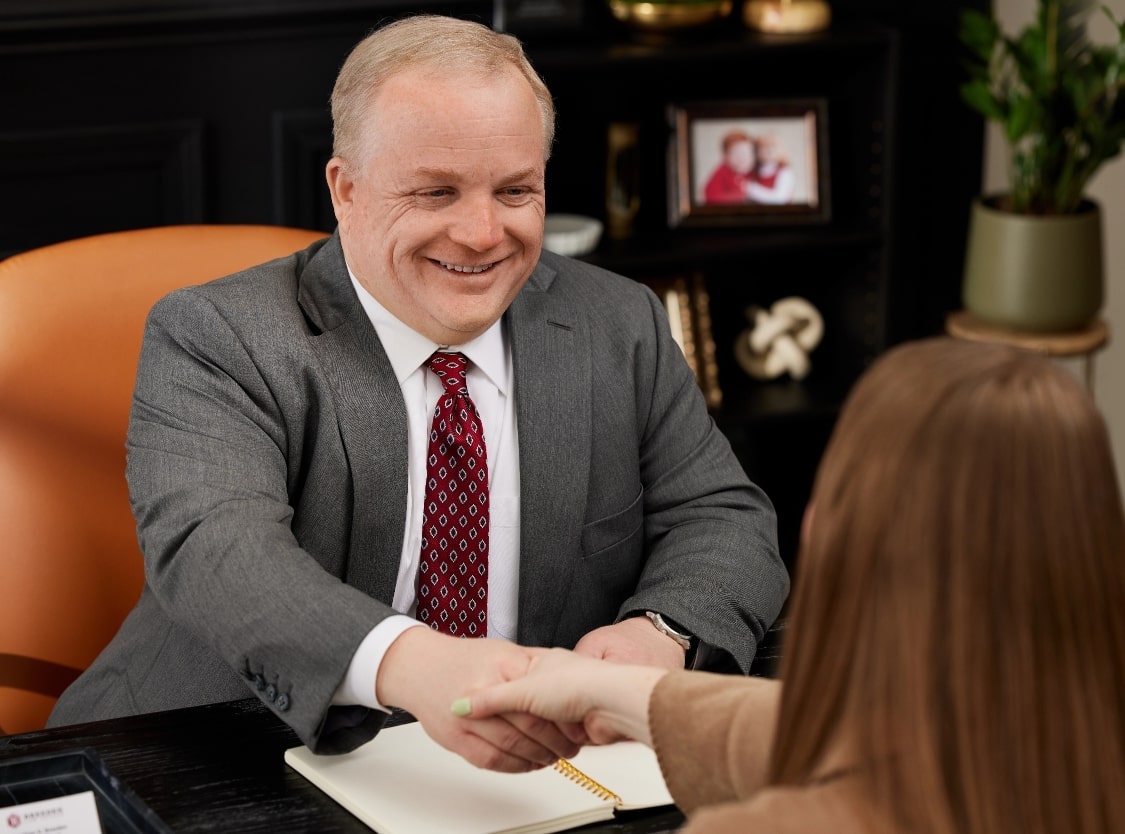
How a Wake Forest Adoption Lawyer Can Help
Adoption is a deeply personal decision, but it is also a legal process governed by strict statutes and procedural rules. Even small mistakes—missed deadlines, incomplete consent, or improperly prepared filings—can delay or jeopardize an adoption. Having experienced legal guidance helps ensure that your adoption is completed correctly, efficiently, and permanently.
Our experienced team assists adoptive families in Wake Forest and throughout Wake County by providing hands-on legal support at every stage of the process, including:
- Preparing and filing adoption petitions that comply with North Carolina’s statutory requirements and local court procedures, reducing the risk of rejection or delay.
- Identifying and securing all required consent, including addressing complex situations involving biological fathers, missing parents, or contested consent.
- Handling stepparent, relative, and same-sex adoptions, ensuring that family-based adoptions are structured properly and legally protected.
- Addressing termination of parental rights issues, whether through voluntary consent or court proceedings, when consent is withheld or unavailable.
- Representing clients in Wake County court, including adoption hearings and any contested proceedings that may arise.
Breeden Family Law Office prioritizes clear communication, careful preparation, and thoughtful advocacy. By guiding families through each legal step and anticipating potential challenges, the firm helps protect your rights and your child’s future—allowing you to focus on building your family with confidence and peace of mind.
Adoption Answers for Wake Forest Families
How long does an adoption take in North Carolina?
The length of the adoption process depends on the type of adoption, whether an agency is involved, and whether any legal issues arise. Uncontested adoptions may be finalized within several months, while contested or agency adoptions can take a year or longer.
Do biological parents always have to consent to an adoption?
In most cases, adoption cannot proceed without the required consent of the biological parents. However, consent may not be required if parental rights have already been terminated or if the court determines that a statutory exception applies.
Can a stepparent adopt a child in Wake Forest?
Yes, stepparent adoptions are common in Wake Forest and throughout North Carolina. These cases typically require the consent of the custodial parent and the termination of the other biological parent’s rights, either voluntarily or through court action.
Are same-sex couples allowed to adopt in North Carolina?
Yes, same-sex couples are permitted to adopt under North Carolina law and are subject to the same requirements as opposite-sex couples. Courts evaluate these adoptions based on the child’s best interests, not the parents’ sexual orientation.
Do I need a lawyer if I am working with an adoption agency?
Adoption agencies assist with placement and support services, but they do not provide legal representation. An adoption lawyer ensures that court filings are accurate, consent requirements are met, and your parental rights are fully protected throughout the process.
Talk With a Wake Forest Adoption Lawyer Today
Adoption is a meaningful journey, but legal missteps can create unnecessary stress or delay the process. Working with an experienced Wake Forest adoption lawyer allows you to focus on your family while your attorney manages the legal details.
Attorney Jonathan Breeden is proud to support adoptive families across Wake Forest, Franklin, and Wake County. Contact us today to discuss your adoption goals and learn how we can help you move forward with confidence.hat all legal requirements are met and that your rights are protected throughout the process.
CALL A WAKE FOREST ADOPTION LAWYER TODAY:
919-823-6202Hear from Our Clients
Breeden Law offered exceptional service. I felt extremely comfortable talking with Jonathan and the office staff was pleasant and organized.

Mr. Breeden was very professional. He gave me honest input regarding possible outcomes of my case. He was very responsive when I had a question and when responding to emails. He knows custody law very well and got me exactly what I wanted with regards to my case. I would definitely use him again if needed.
A custody battle is never easy; even harder when you are a grandparent seeking custody. Jonathan Breeden handled our case with great diligence, but oh so delicately. I received full, permanent custody, with no harsh feelings from any parties concerned. Together with Jonathan, there was even suitable visitation arrangements made.